Solo Travel Safety Plan: Checklist Before, During & After
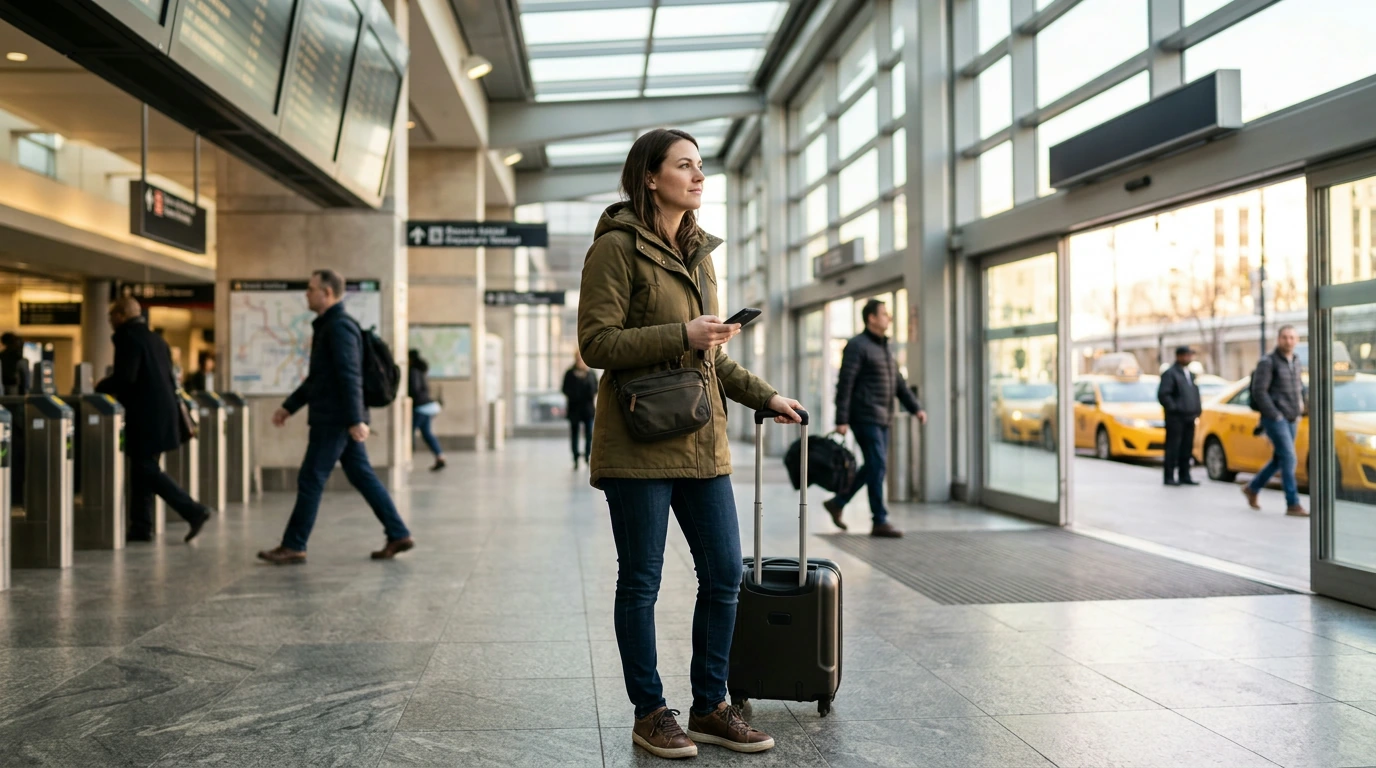
Solo Traveler’s Guide to Staying Safe: A Practical Plan You Can Use Before, During, and After Every Trip
Solo travel is freedom—on your own schedule, your own pace, your own choices. The goal isn’t to travel scared; it’s to travel prepared. Our team built this guide for real-life decision-making: what to set up before departure, how to move through transit days confidently, and what to do if something goes wrong. Use it as a quick-read safety playbook and a repeatable checklist you can reuse for every destination.
Start with the basics: pick the right level of safety planning
Before you buy tickets or lock in lodging, decide how much structure you need. A simple plan beats a perfect plan you won’t follow.
- Define your trip profile: urban vs. rural vs. remote, how long you’ll stay, and how often you’ll move between places. More movement usually means more “transition risk” (phones, wallets, luggage, and fatigue).
- Rate your risk tolerance: low, medium, or high. This helps you decide how strict you’ll be with night plans, rides, and accommodation choices.
- Set non-negotiables: decide what you won’t do before you book anything (examples: no unlicensed rides, no isolated ATMs at night, no sharing your room number aloud).
- Keep the goal simple: reduce preventable issues (lost phone, missed transport, petty theft) so your energy stays on the experience.
Pre-trip security setup: the 30-minute routine that pays off all trip long
If you do nothing else, do this. It’s the difference between a problem you handle and a problem that derails your trip.
- Document backup: store passport/ID copies and travel insurance details in a secure cloud folder plus an offline copy (encrypted file or printed copy stored separately).
- Communication plan: share a lightweight itinerary with one trusted person and agree on check-in windows (arrival day + every 48 hours is often enough).
- Phone hardening: enable a strong passcode and biometric lock, turn on device tracking, confirm account recovery options, and reduce lock-screen notifications that expose personal info.
- Financial split: carry two payment methods kept separately; keep a small emergency cash amount hidden away from your wallet.
- Transport sanity check: pre-identify how you’ll get from the airport/station to your lodging (official taxi rank, verified ride-hailing, or hotel transfer).
- Local emergency info: save emergency numbers, embassy/consulate contact, and your lodging address (in the local language if helpful).
Solo Travel Safety Checklist (Quick Setup)
| Task | Why it matters | Done |
|---|---|---|
| Save digital + offline copies of passport/ID | Speeds replacement and reduces panic if originals are lost | ⬜ |
| Enable phone tracking + strong lock | Prevents account takeover and helps recover your device | ⬜ |
| Split money/cards into two locations | Avoids being stranded if your wallet goes missing | ⬜ |
| Share itinerary + check-in plan with a trusted contact | Creates a safety net without oversharing publicly | ⬜ |
| Confirm arrival transport option before landing | Reduces scams and risky decisions when you’re tired | ⬜ |
| Store key addresses and emergency numbers | Helps fast action under stress or language barriers | ⬜ |
If you want this as a printable, repeatable system you can run before every trip, our team made the Solo Traveler’s Guide to Staying Safe (Digital Download PDF eBook) with step-by-step checklists you can reuse and customize.
Booking smarter: lodging and location choices that reduce stress
- Prioritize location over “perfect amenities”: choose areas with reliable transit, lighting, and steady foot traffic at your likely arrival time.
- Plan for late arrivals: late-night check-ins raise risk and cost. Confirm 24/7 reception, self check-in that actually works, or a confirmed late check-in process.
- Room safety habits: keep the door locked, use a secondary lock if available, don’t say your room number aloud, and avoid posting your real-time location publicly.
- Keep boundaries simple: be friendly, but don’t overshare where you’re staying, that you’re alone, or your exact plans for tomorrow.
Transit days: stay calm, look confident, and reduce common theft opportunities
Most travel problems happen during transitions: arrival, departure, baggage claim, ticket checks, and that moment you stop to “figure it out.”
Daily solo safety habits that don’t ruin the fun
If something goes wrong: a simple response plan for common scenarios
Make it repeatable: turn safety planning into a lightweight routine
To make the “pack light, stay organized” part automatic, pair your safety plan with our Minimalist Travel Packing Planner (Digital Packing Guide), so your essentials (documents, backup payment, meds, and daily carry items) are always accounted for.
Trusted trip resources
- U.S. Department of State — International Travel for destination advisories and embassy info.
- CDC — Travelers’ Health for health guidance, vaccines, and destination-specific notices.
- Europol — Advice for Travelers for crime prevention resources and awareness tips.
FAQ
What are the most important solo travel safety tips for first-time solo travelers?
Get your pre-trip basics done: document backups, phone security, and splitting payment methods. Add a safe arrival transport plan and a simple check-in schedule with someone you trust, then stick to well-lit, staffed options at night and avoid oversharing details.
How can a solo traveler stay safe without feeling anxious the whole trip?
Preparation reduces decision fatigue, so you don’t have to “solve safety” every day. Use the same routines (same pocket layout, same checklist, same return-time threshold) so safety becomes automatic and you can focus on enjoying your trip.











Leave a comment